Majka’s blog from 2006- 2014
The entries below inspired a new book forthcoming in 2024.
-
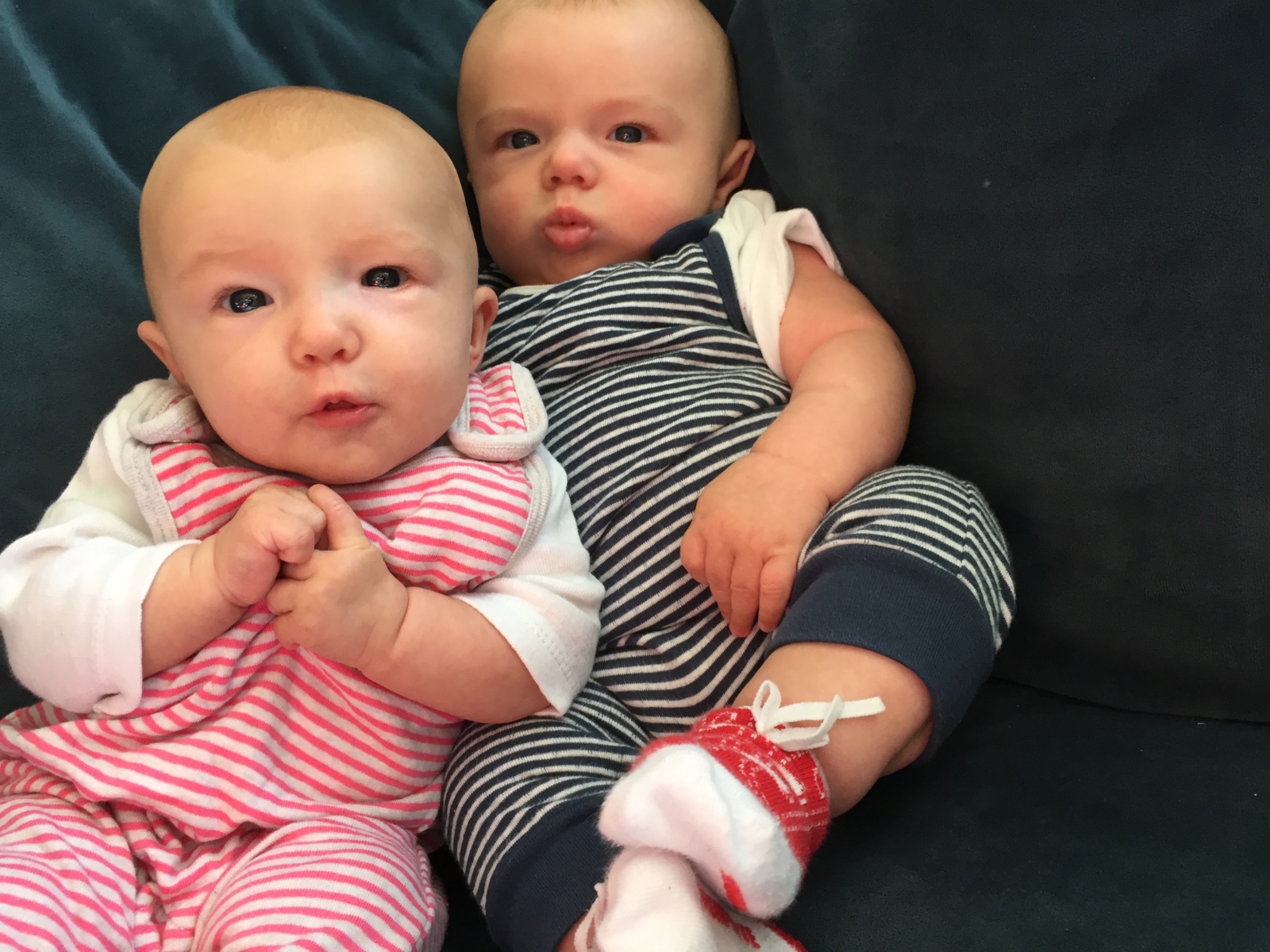
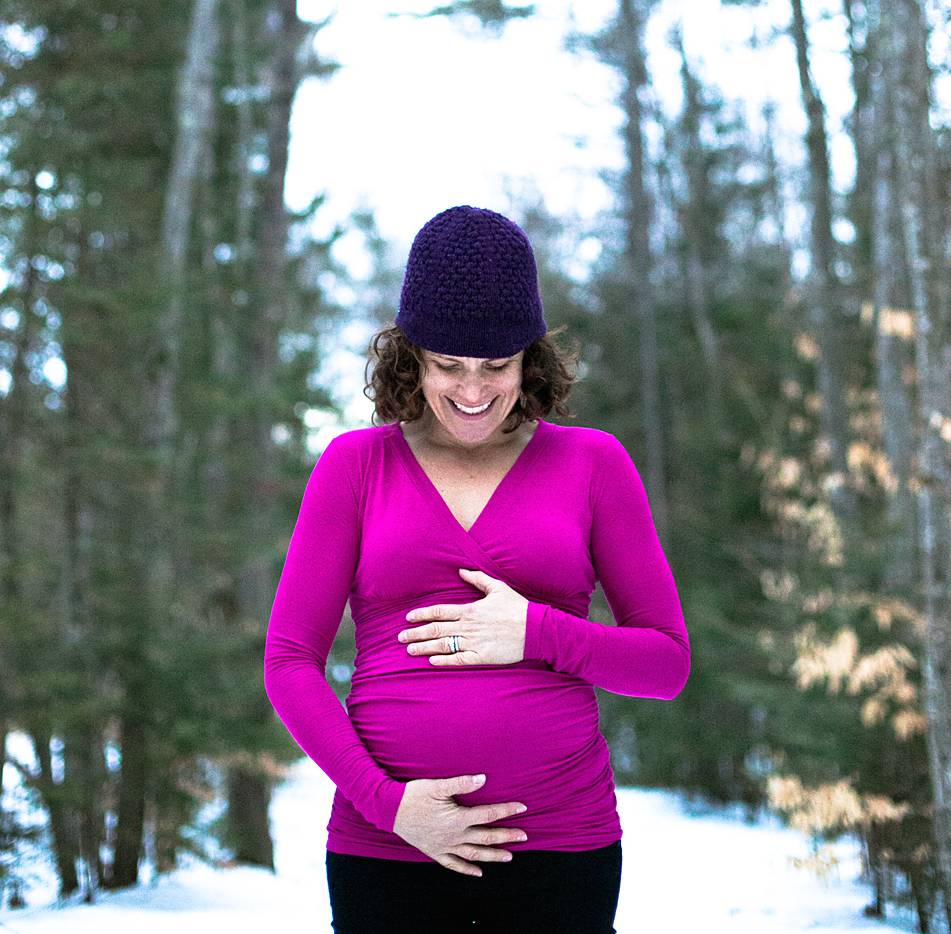
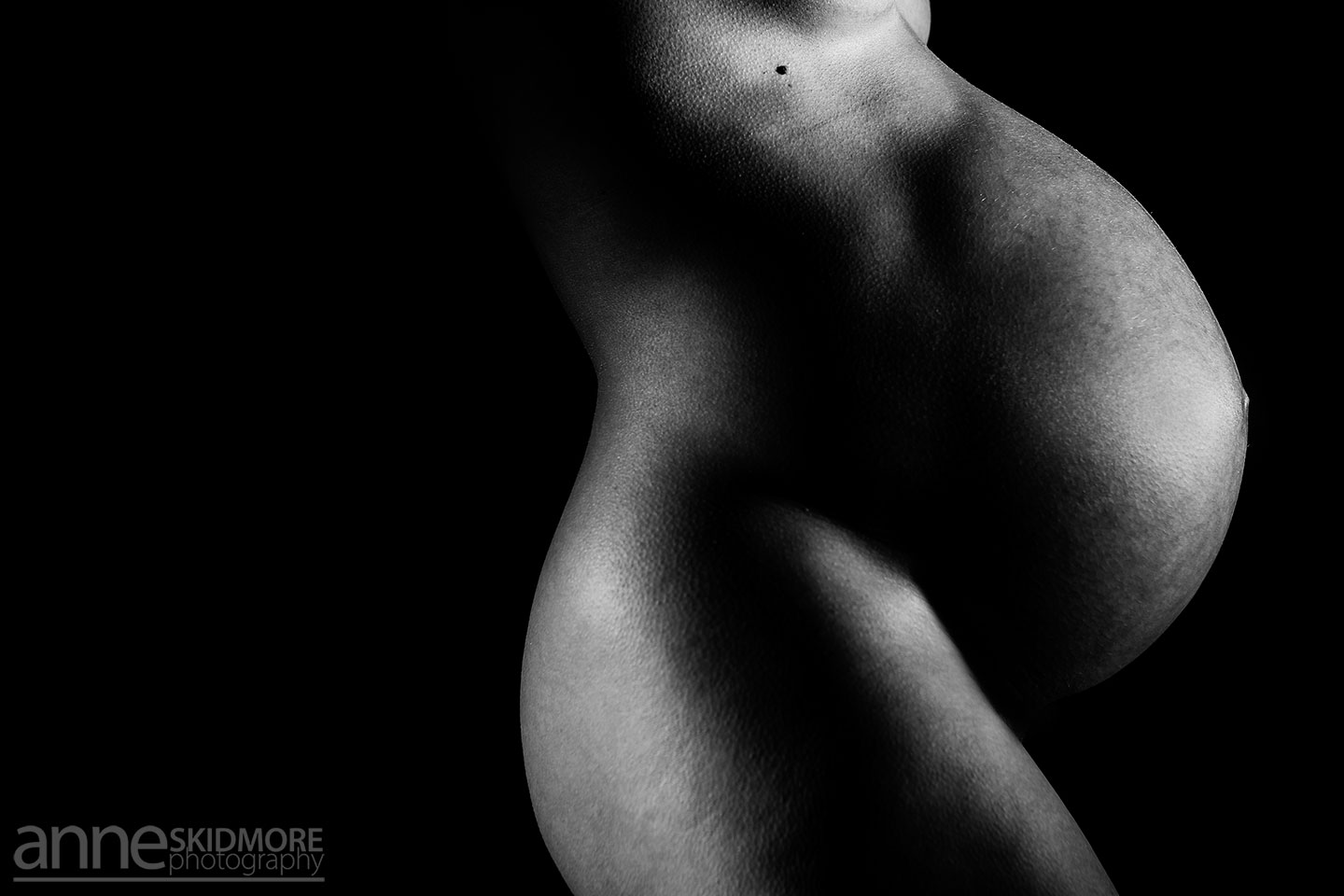 Harald, Maude, and the Himba: A letter to the twinsMay 16, 2016Dear Harold and Maude, I know, I’d promised new names. We will get there—we still have five weeks to come up with them. Five weeks until you launch yourselves into the outside world. Five weeks until I hold you in my...
 -
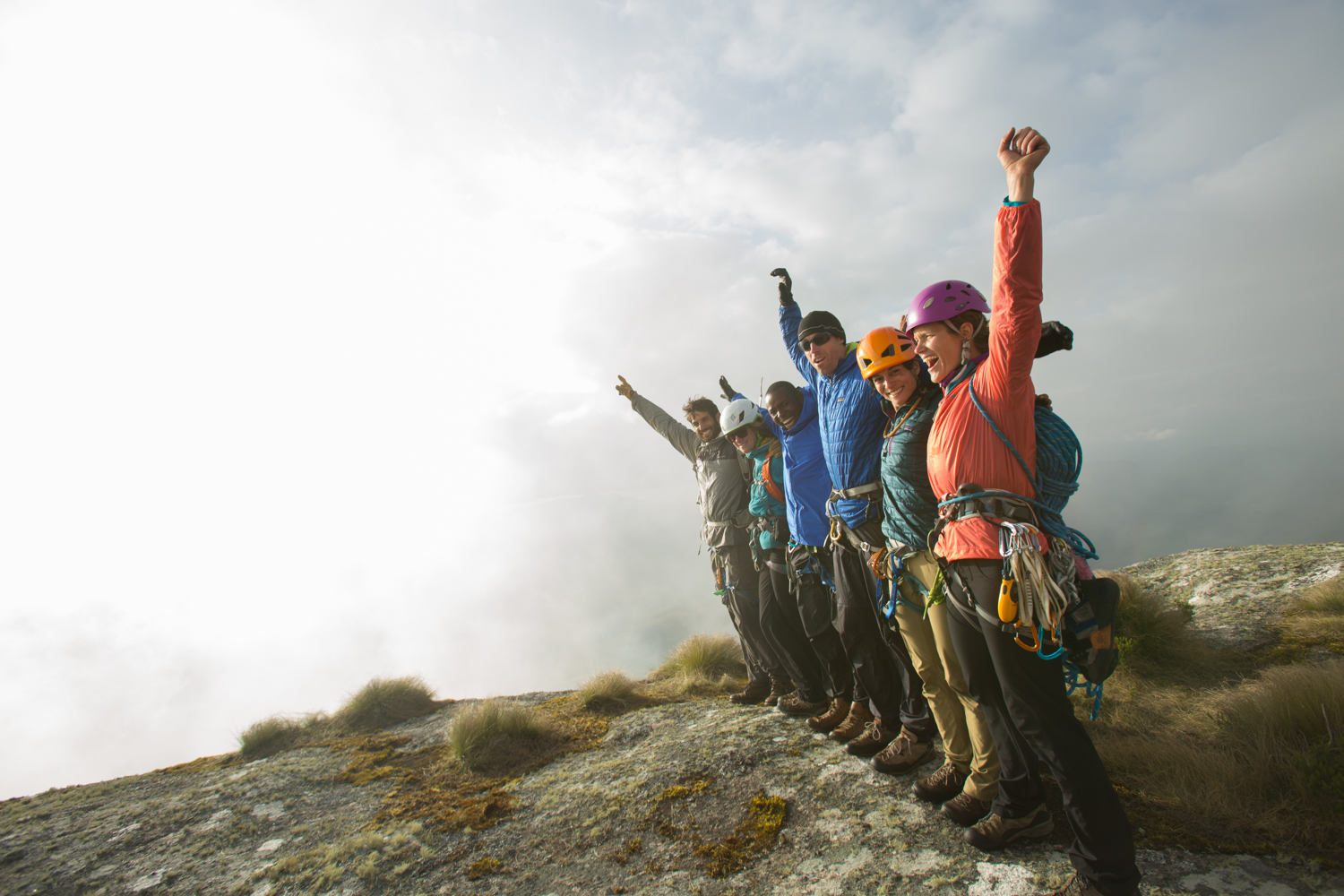
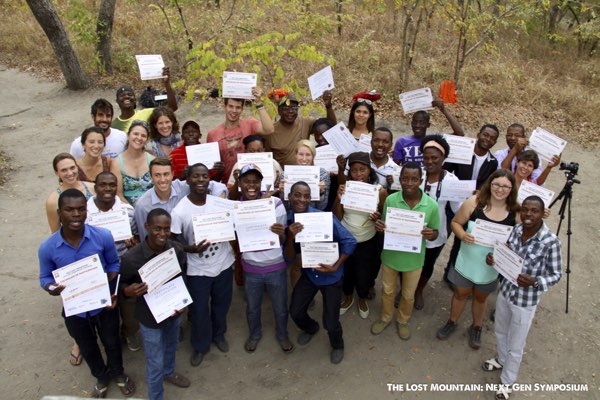 Graduating a Class of 28 Disruptive Conservationists...and YourselfSeptember 3, 2015How do you graduate a group of 22 African and six American participants that has been through a 12-day training in leadership, conservation planning, and environmental stewardship? You don’t. They graduate themselves. And it looks like this:https://vimeo.com/138187480 In July, The Lost...
 -
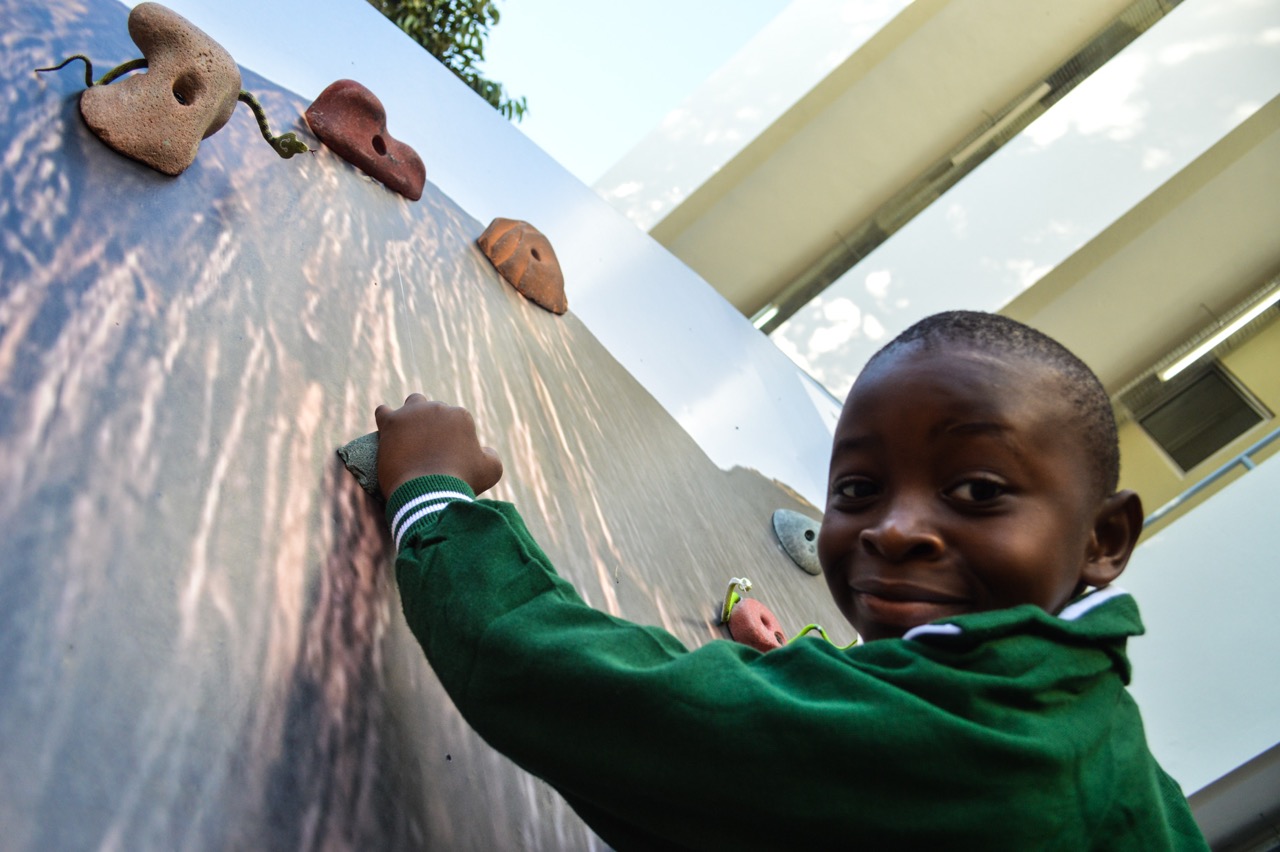 Blurry Photo Route Choices: And other choices in merging climbing, science, and conservation in MozambiqueJuly 16, 2015Exactly one month ago I tightened the last bolt in the last hold on the first-ever climbing boulder in Mozambique—and then climbed on it with over 1,000 Mozambican school children. Tonight, over dinner in Central Mozambique, I made a promise to...
 -
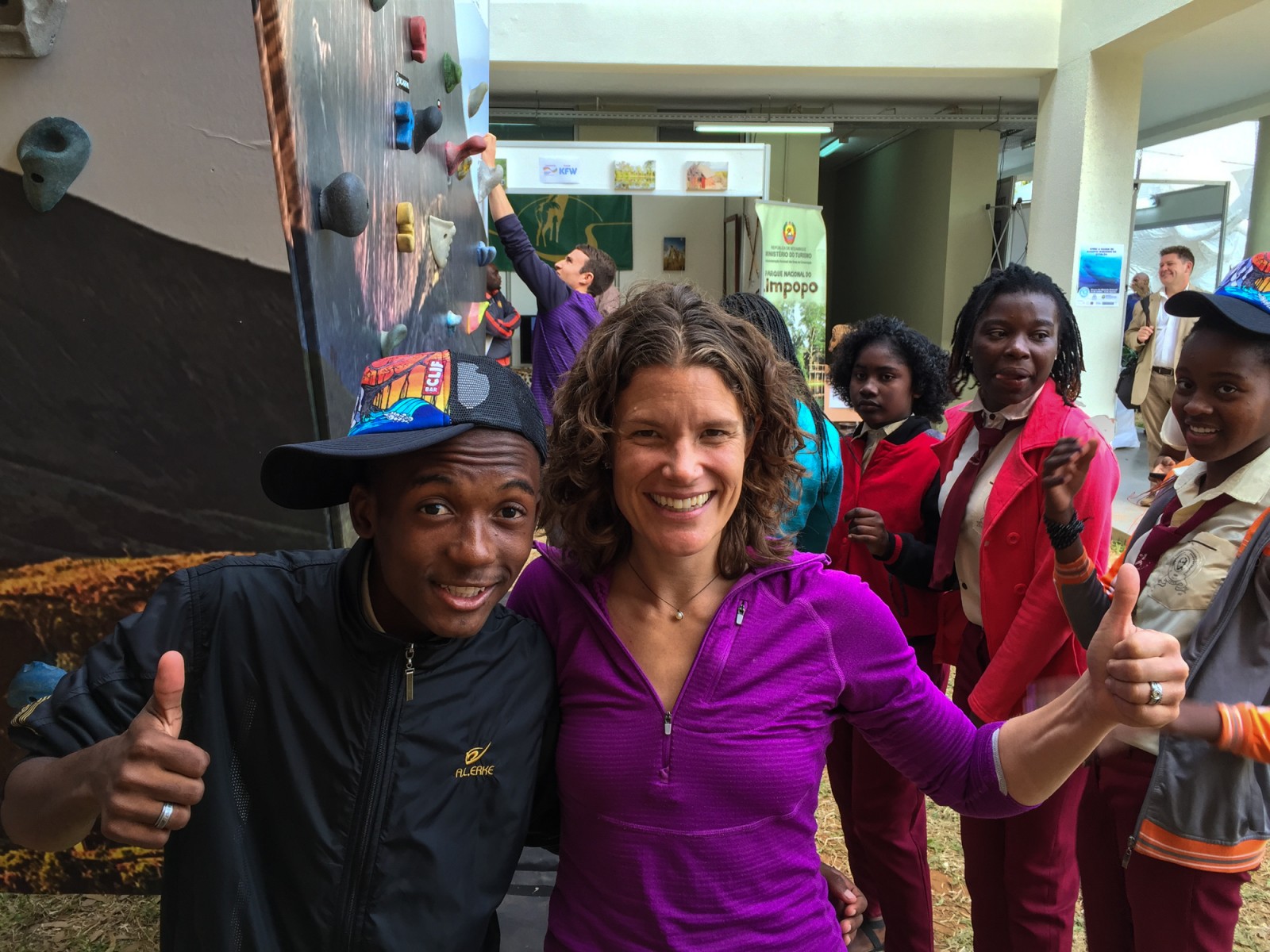 Open-Sourcing the Brain Power of Future Leaders in ConservationJuly 1, 2015Sharing the Lost Mountain in June at the launch of Biofund Mozambique In seven days I will be back in Mozambique. Me, my five-person team from Additive Adventure, and 35 emerging leaders in the field of disruptive conservation. Disruptive? You bet. It’s...
 -
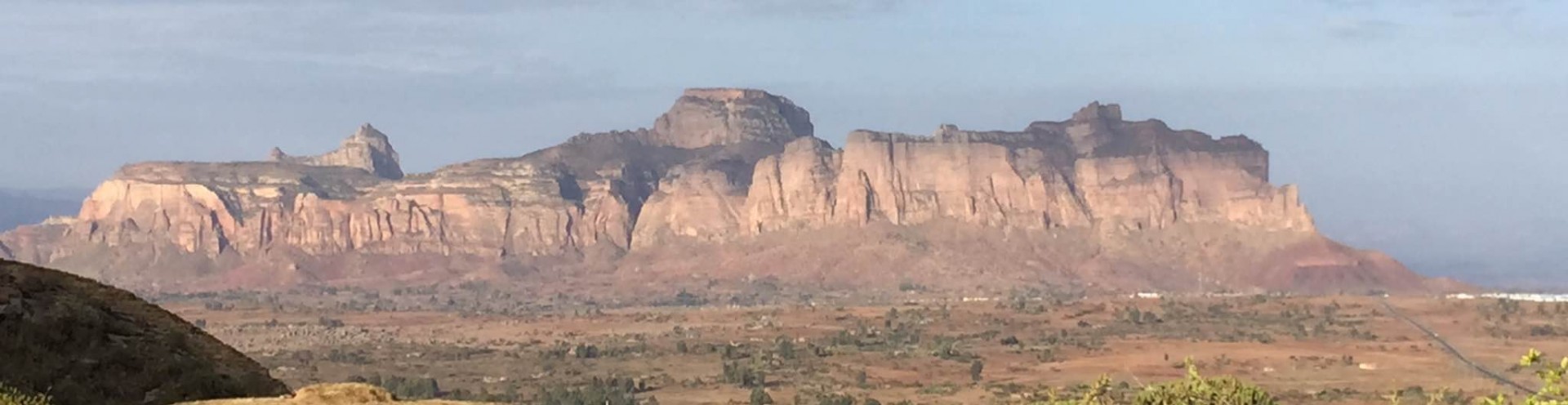 Stepping up to a Name: An Emerging Take on Community EngagementJune 3, 2015Ethiopia was a lark. In 2006 I was over-caffeinated and restless in Colorado and volunteered myself to go to the Horn of Africa with a group of people I just met. I went. I stayed. I wrote two books. I...
 -
 African Student Call for Applications Now Open For Lost Mountain SymposiumFebruary 24, 2015African Student Call For Applications now OPEN It’s my pleasure to announce that the Additive Adventure 2015 Lost Mountain Next Gen Symposium is now accepting applications for 20 African undergraduate and graduate students to join us this July in Mozambique....
 -
 The Road is Kind, New Lost Mountain Music VideoAugust 20, 2014This music video is in honor and support of the Lost Mountain Positive Tracks Next Gen Initiative: youth philanthropy through physical action in the outdoors. Featuring our Positive Tracks Ambassadors Charlie Harrison (19) and Grant Bemis (23). We released it this...
 -
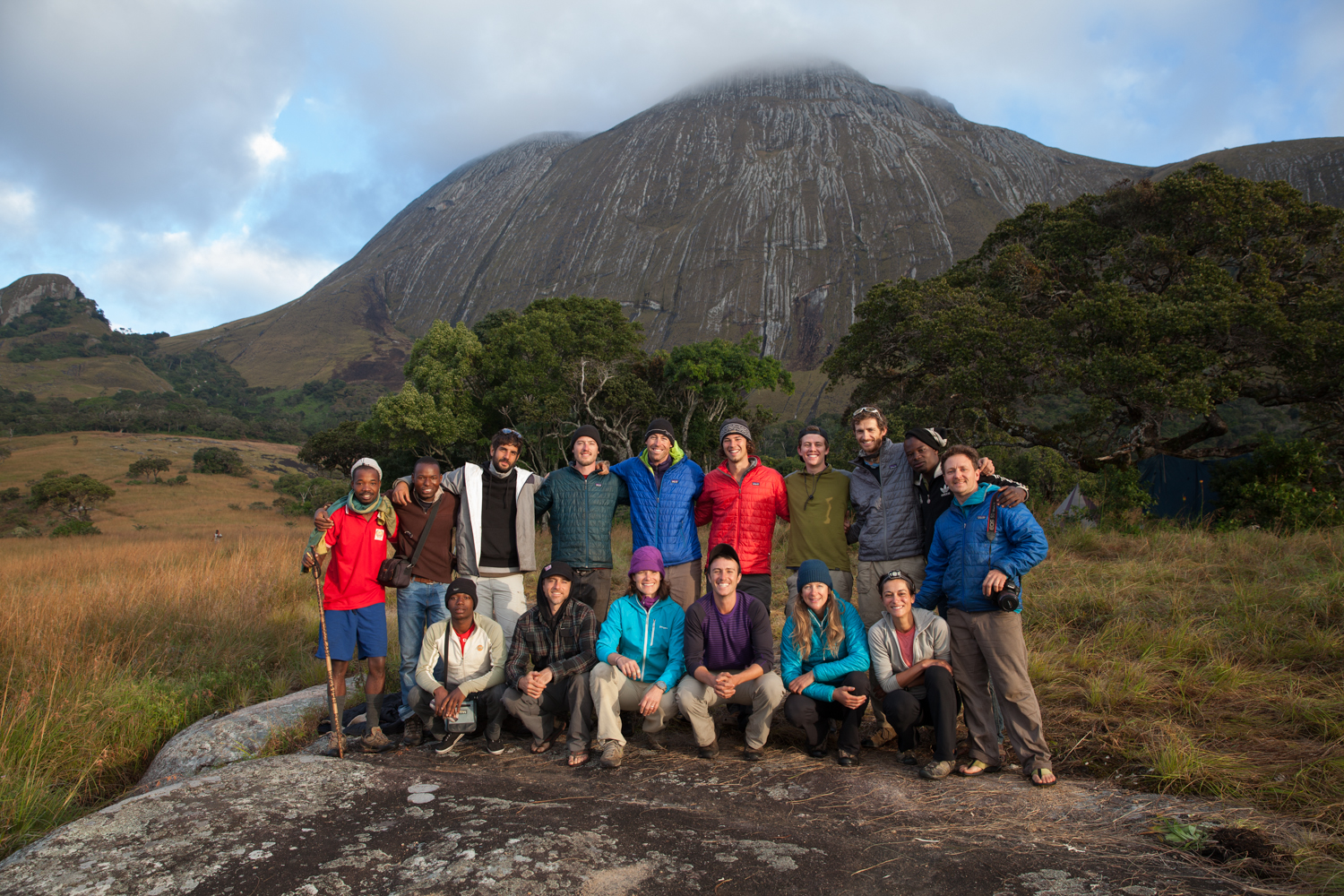 Team of Rock Climbers, Biologists, and Conservation Workers Wrap Successful Expedition to Mozambique’s Second Highest MountainJune 5, 2014The Lost Mountain Team, Mt Namuli, Mozambique PRESS RELEASE: Gurue, Mozambique –June 4, 2014 –An international team of rock climbers, entomologists, and herpetologists gathered on the summit of Mt. Namuli, Zambezia, Mozambique on May 27th at the culmination of the 30-day,...
 -
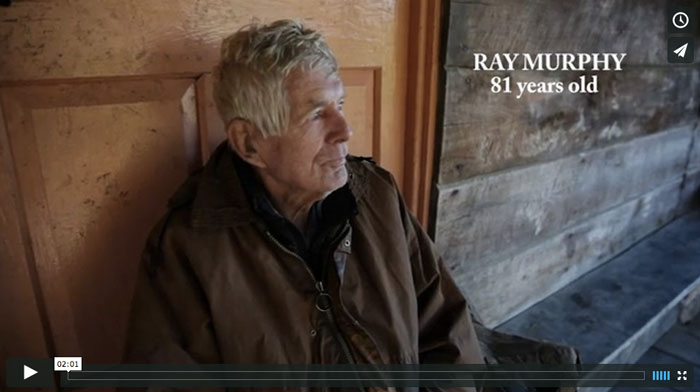 Old Man Ray- Song and Video Produced in the Field on Mt Mulanje, MalawiMay 18, 2014“The trick to growing old, is a healthy dose of obsession mixed with a lot of physical activity.” – At 81 years old, Entomologist at heart, Ray Murphy is one of the characters and dreamers with us here in Africa...
 -
 Ready, Set, Go: The Lost Mountain Takes OffMay 1, 2014Prep time in Mozambique, Photo by Erik Eisele Four days from today, I meet my international team of scientists, conservation workers, climbers, filmmakers, students, and volunteers at the airport in Blantyre, Malawi. We’re heading to Mozambique; we’re heading to the Lost...
 -
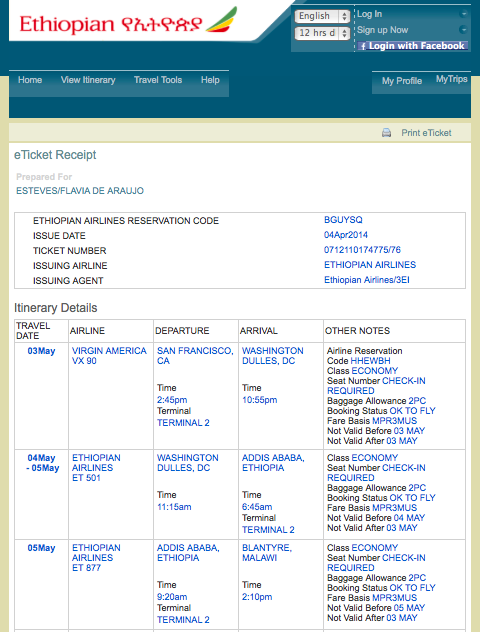 One Month Out– Exactly: New Team Members, New Plane Tickets, and Vice GripsApril 5, 2014It’s 8:22 am in New Hampshire and 2:22 pm in Malawi on April 5th. In one month from now, on May 5th at 2:00 PM, we will be landing in Blantyre, Malawi. Exactly. All week I’ve been meaning to write...
 -
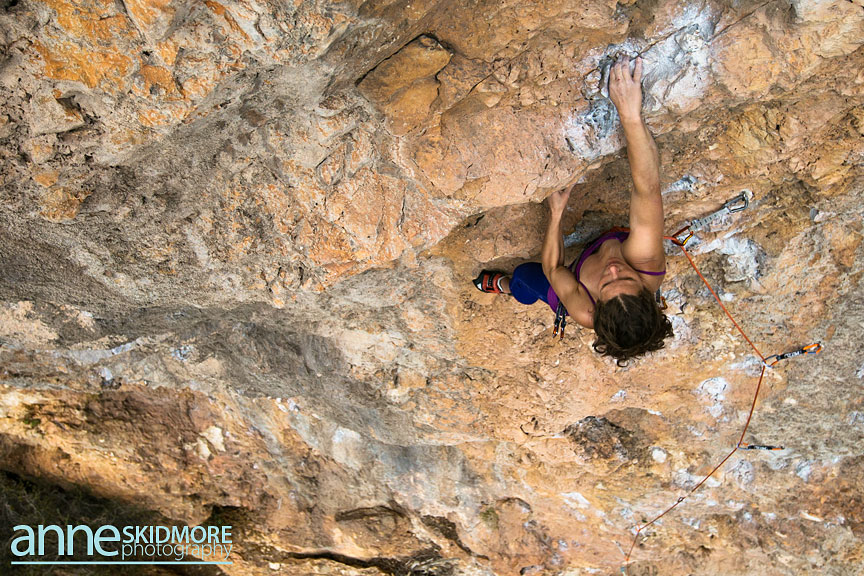 Questioned, Additive Adventure and ConservationMarch 13, 2014Majka Burhardt on Semazen, Geyikbayiri Turkey. Photo by Anne Skidmore This February, I gave a speech at University of Vermont. There is nothing like standing up in front of a group of intelligent, keen, and questioning undergraduate and graduate students to...
 -
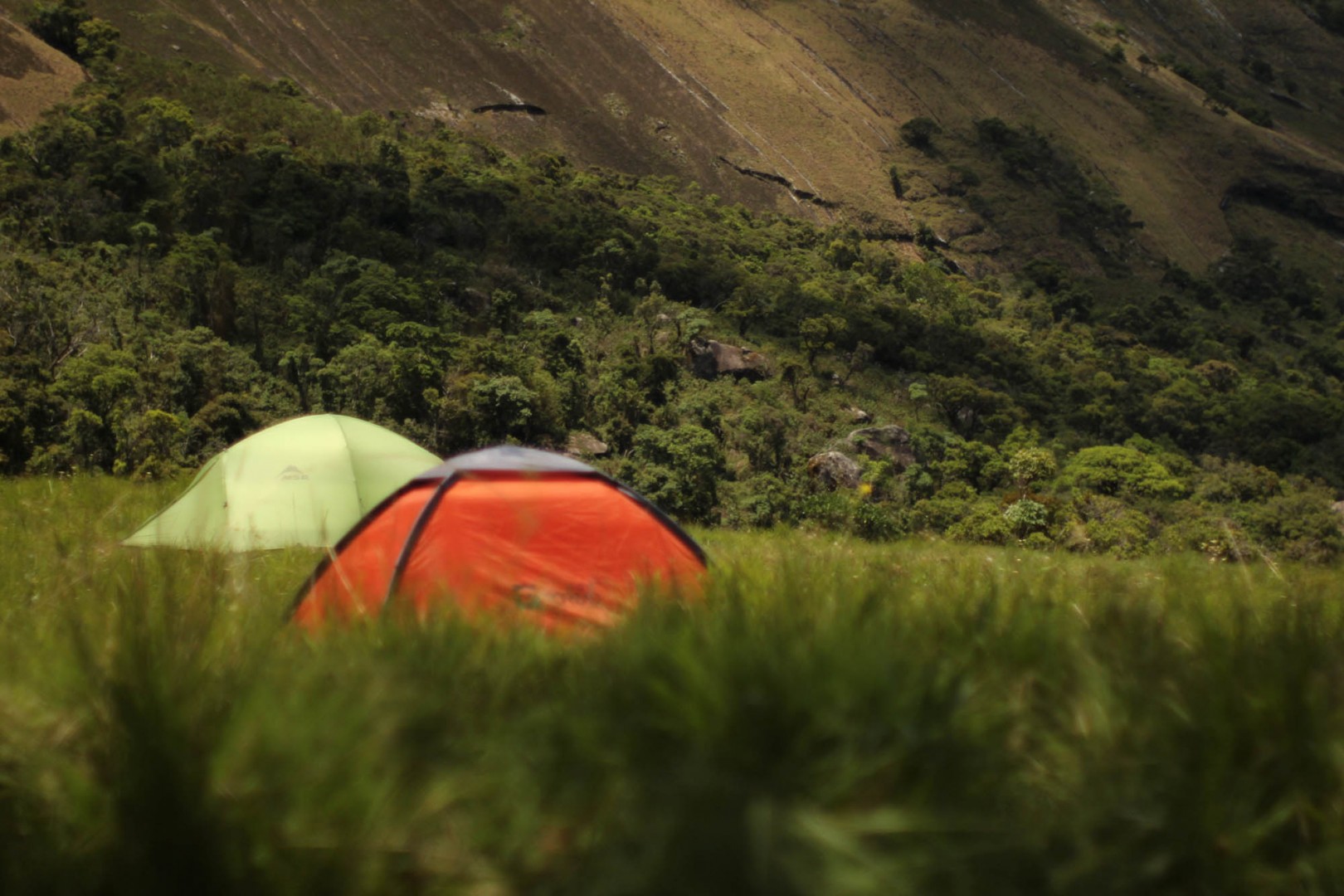 Going Camping: AKA, Climbing a Granite Big Wall, Discovering New Species for Science, and Starting a New Conservation Area.October 21, 2013Blog Post in Conjunction with: In seven days I will fly across the Atlantic, over the Sahara, toward Mozambique, and to the Lost Mountain. It has taken three years to get here—ie to be about to gothere. Right now I am supposed...
 -
 Saying Yes: Collaboration and Innovation With Climbing and Cervial Cancer PreventionJune 4, 2013In December of last year I received an email from August. August is the executive director of Grounds For Health— a non-profit preventing cervical cancer in coffee growing communities. Within a month we were plotting a way to bring my approach...
 -
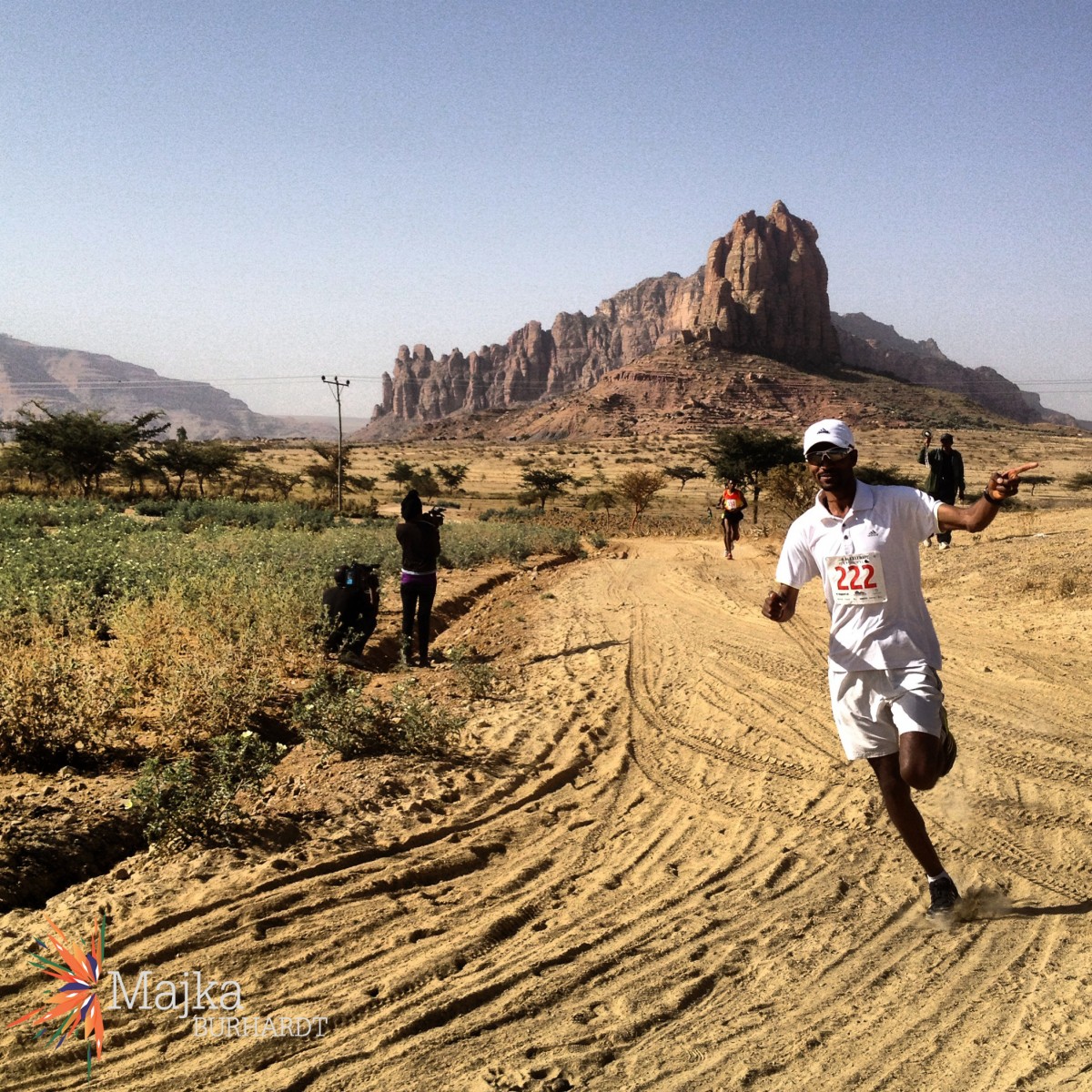 Cheering Like You Mean ItMay 14, 2013Gebre Gebremariam, mid-way through the course This year I partnered with the Himalayan Cataract Project and imagine1day and produced Ethiopia’s first ever running trail race. Here’s what happened: –179 runners competed in Ethiopia’s first ever trail race. –871 successful sight-restoring surgeries were performed. –1 new library was funded...
 -
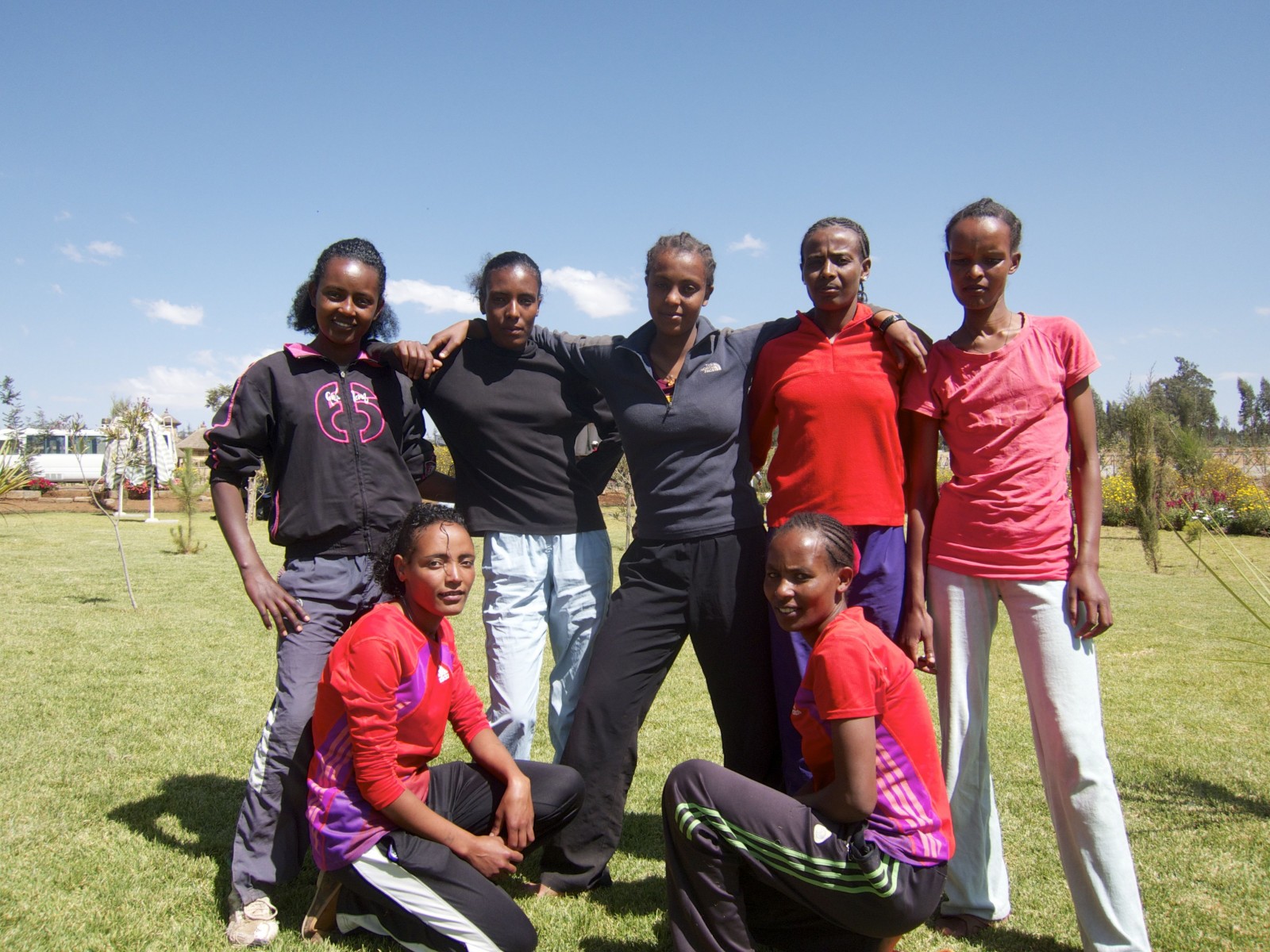 Change the Conversation: Interviews with Accelerate EthiopiaFebruary 24, 2013On March 2nd over 150 runners will compete in Ethiopia’s first ever trail race– a half marathon in the country’s northern mountain highlands. The race is a culmination of a week of shared contribution to the eye health and educational strength of Ethiopia with Himalayan...
 -
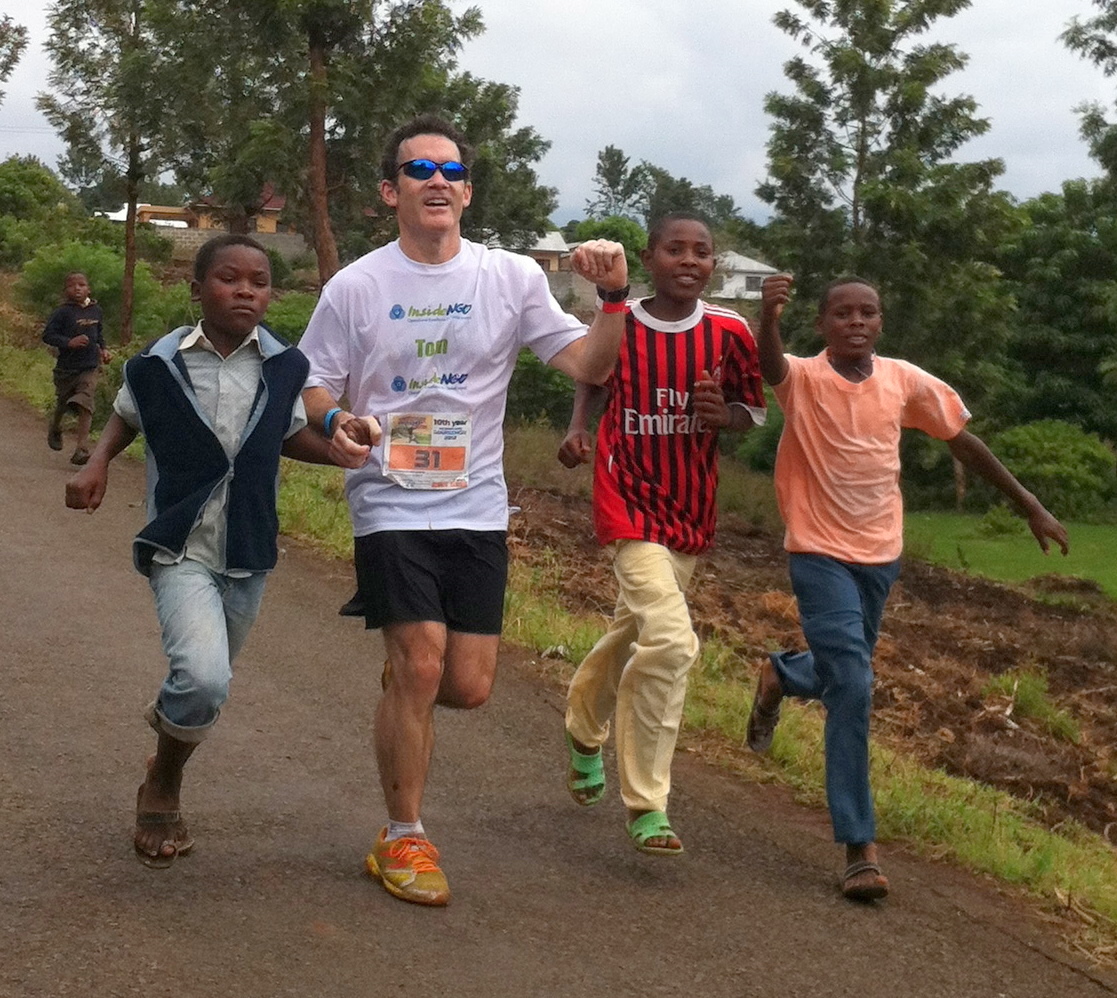 That's My Life: Interviews with Accelerate EthiopiaFebruary 23, 2013Interviews with Accelerate Ethiopia On March 2nd over 150 runners will compete in Ethiopia’s first ever trail race– a half marathon in the country’s northern mountain highlands. The race is a culmination of a week of shared contribution to the eye...
 -
 Accelerate Ethiopia: The BeginningFebruary 21, 2013This week, eleven committed runners will join elite athletes Scott Jurek, Gebre Gebremariam and Yemane Tsegay, along with 150 up and coming Ethiopian runners for the first ever trail race in the cradle of humanity, culminating a week of shared...
 -
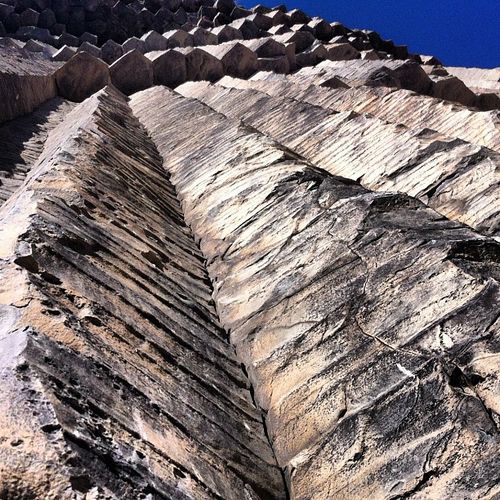 Armenia BoundOctober 21, 2012In conjunction with Patagonia’s The Cleanest Line and Kate Rutherford Any climbing trip starts with a conversation. Kate and mine went something like this. Kate: “What’s your fall look like?” Majka: “October’s wide open.” Both of us: “Want to go somewhere good?” The basalt columns of Armenia. Photo-...
 -
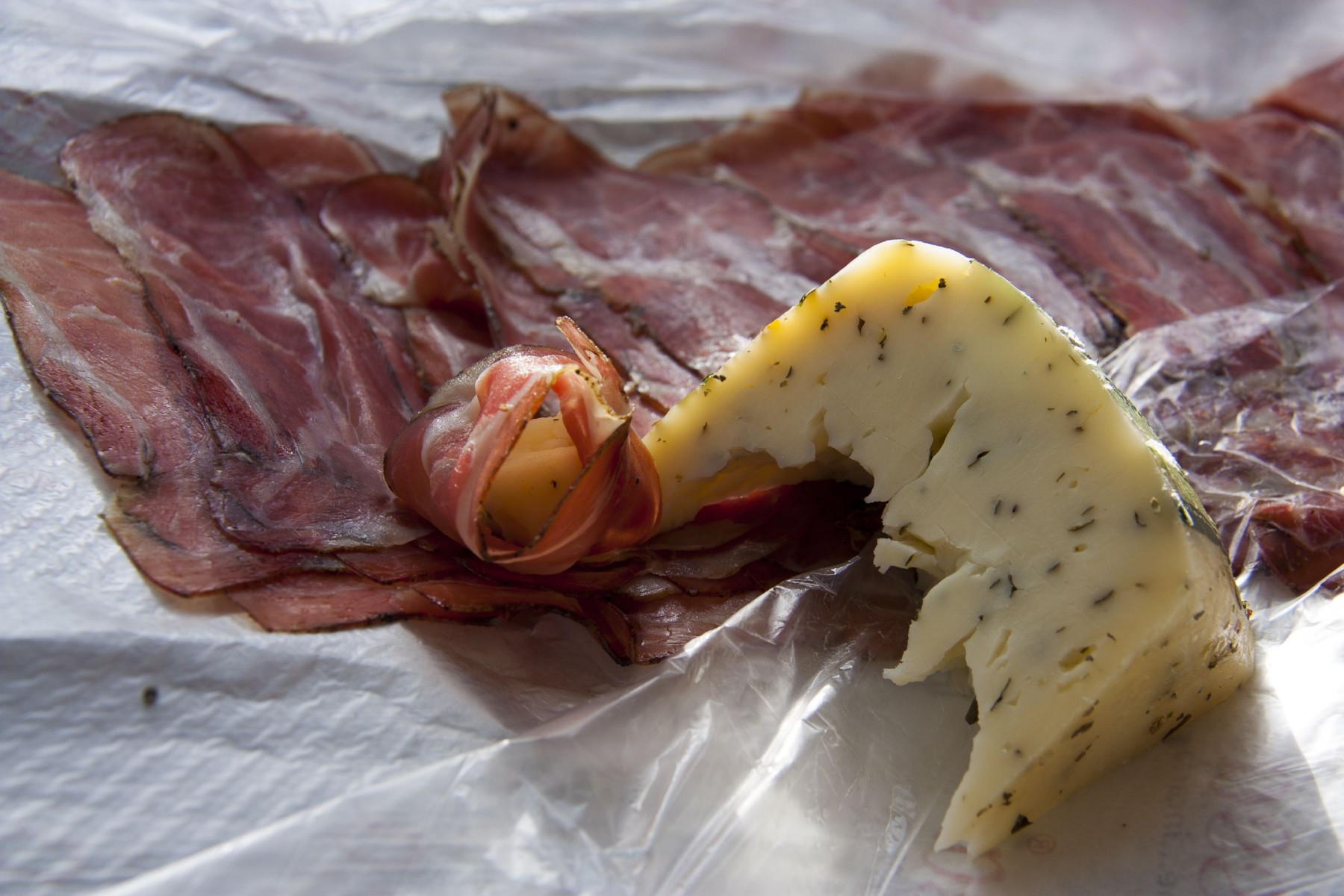 8 Lessons Learned During the Non-Climbing Days on a Climbing Trip in EuropeJune 28, 2012Photo by Peter Doucette When you’ve waited 35 years to go to Italy, the wine, pasta, meat and cheese will be just as good as you imagined. When you’ve waited 35 yeas to go to Italy, you will likely have overestimated the...
 -
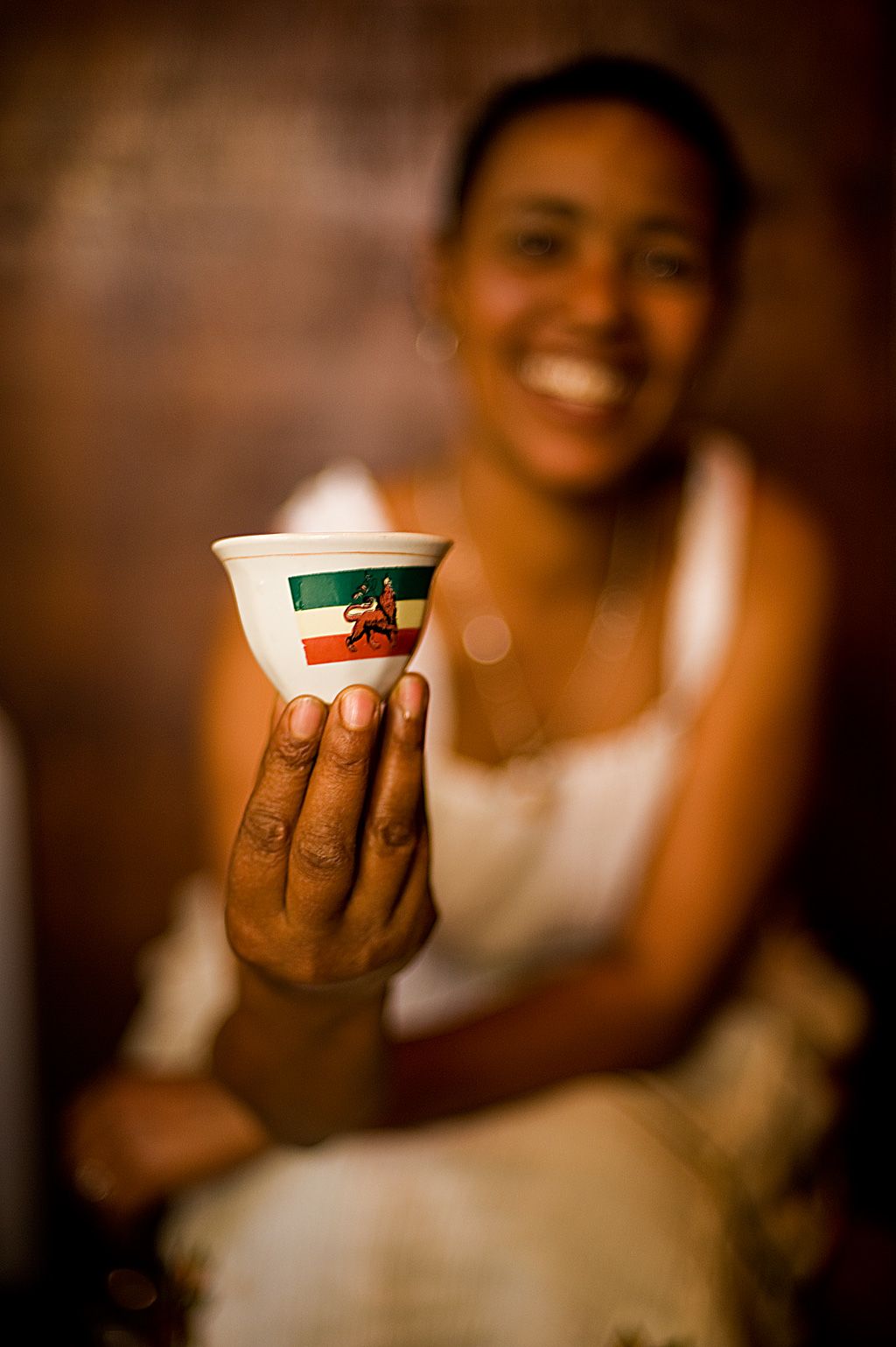 Global Dialog Via the Culture of CoffeeMay 30, 2012Coffee in Addis Ababa, Photo by Travis Horn Coffee can erase a famine. Agree? Disagree? Wonder just how literally I mean for that statement to be? How about this one: Coffee can create greater global understanding. If you’re reading this, you’re involved with coffee....
 -
 I Can’t Go to Ethiopia This Year, Can You Instead?May 15, 2012This October, a powerful, engaged, and curious team is heading to Ethiopia to both change the world, and change how they interact in that world. Usually, I’d be joining them. But this year I need you to take my place. Imagine...
 -
 Adventure When and Where it Matters- The Lost Mountain SeriesJanuary 1, 2012Mt. Namuli, Mozambique By Majka Burhardt and Sarah Garlick A month ago we left Mozambique and Malawi. Less than a year from now we will be back. How much time does it take to gain perspective? Our goal for this initial trip was...
 -
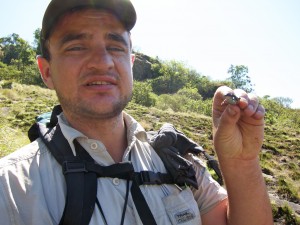 Notes from The Mozambican BushNovember 22, 2011By Majka Burhardt and Sarah Garlick DAY 1 MB: I say goodbye to Ethiopia (intentionally), and to my new ultralight Thermarest (unintentionally). My first-ever spotting of the Congo appears initially out of a plane window, and soon through a propped-open plane door...
 -
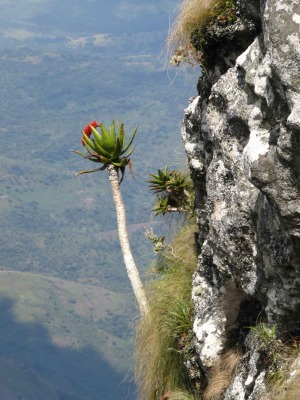 Setting Off For The Lost MountainNovember 6, 2011Tomorrow I head to Mozambique. Actually, that is a lie. Tomorrow I fly from Addis Ababa, Ethiopia via the Congo to Lilongwe Malawi and then to Blantyre Malawi. It’s Tuesday I head overland in Mozambique itself. I’m ready. Mozambique. We’re going...
 -
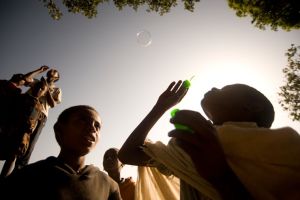 The Middle Ground: Telling a Better Story about the Famine in the Horn of AfricaSeptember 29, 2011It’s been two months since global officials have officially deemed the famine in the Horn of Africa as the worst to hit the world in a century. During those same two months, I’ve released Coffee Story: Ethiopia and have been speaking to...
 -
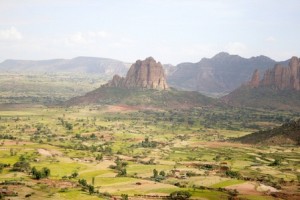 Imagine Ethiopia 2011: You Can “Go” From HomeAugust 28, 2011As one of the leaders of Imagine Ethiopia 2011, I wanted to share a progress update to inspire and potentially involve you in our next steps. Read on for more. Earlier this year, Vancouver-based charitable organization, imagine1day, launched their second annual Imagine...
 -
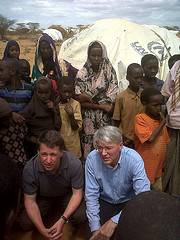 Three Ways to Do Something About Famine in Africa (From Forbes.com)August 16, 2011A guest blog by Majka Burhardt on Frederik Allen’s Leadership blog on Forbes.com. There is famine in the Horn of Africa. Of course. Isn’t there always? Are you cringing yet? Good. Here are three things we can do now to help the Horn...
 -
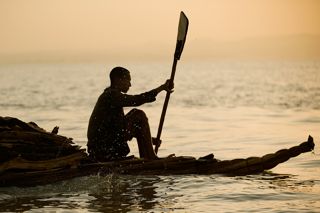 Coffee Story: Ethiopia Available Now, Needed NowAugust 10, 2011Signed Copies Available Above* You may also purchase at It’s a big day for me today. It’s the day Coffee Story Ethiopia comes out, and moreover it is the day I get to thank everyone who has helped support and create this amazing project....
 -
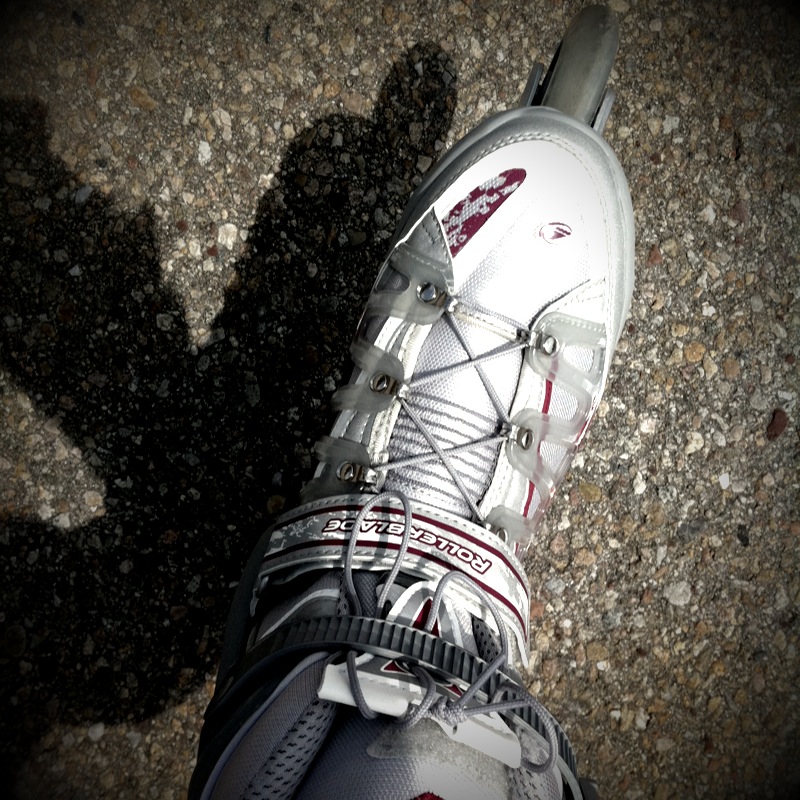 Rolling With The Cool KidsJune 8, 2011The new blades An Additive Adventure Entry In Conjunction WithOutsideTV.com and Osprey Packs It’s taken three months, but it’s happened. I was spotted. Rollerblading. It was just as awkward as it sounds. I was skating on 30th, or trying to skate amidst the gravel...
 -
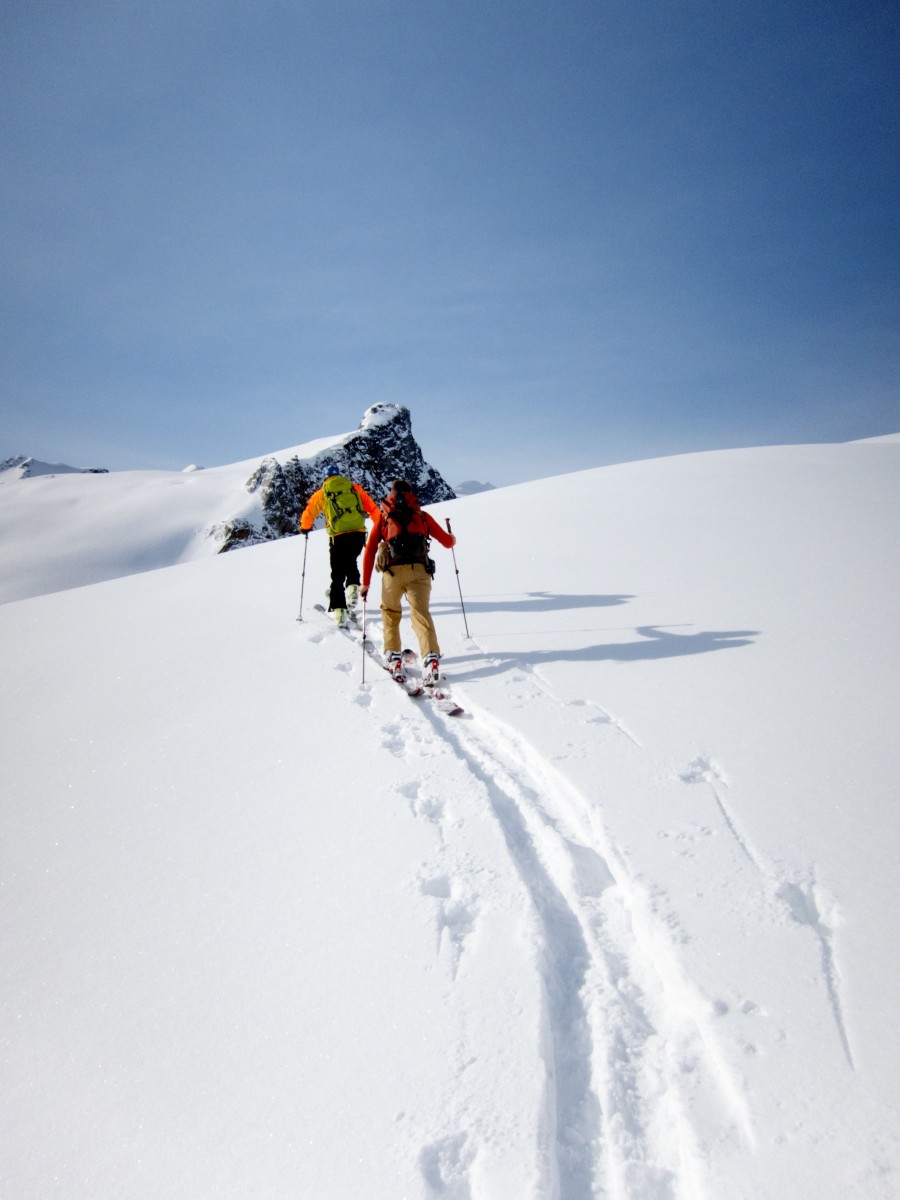 So That’s What You Mean By FatApril 29, 2011Turn Madness in the Adamants, BC An Additive Adventure Entry In Conjunction WithOutsideTV.com and Osprey Packs It’s hard not to like powder. It’s even harder not to like it when you are an outdoor athlete. If you are faced with this situation, my best...
 -
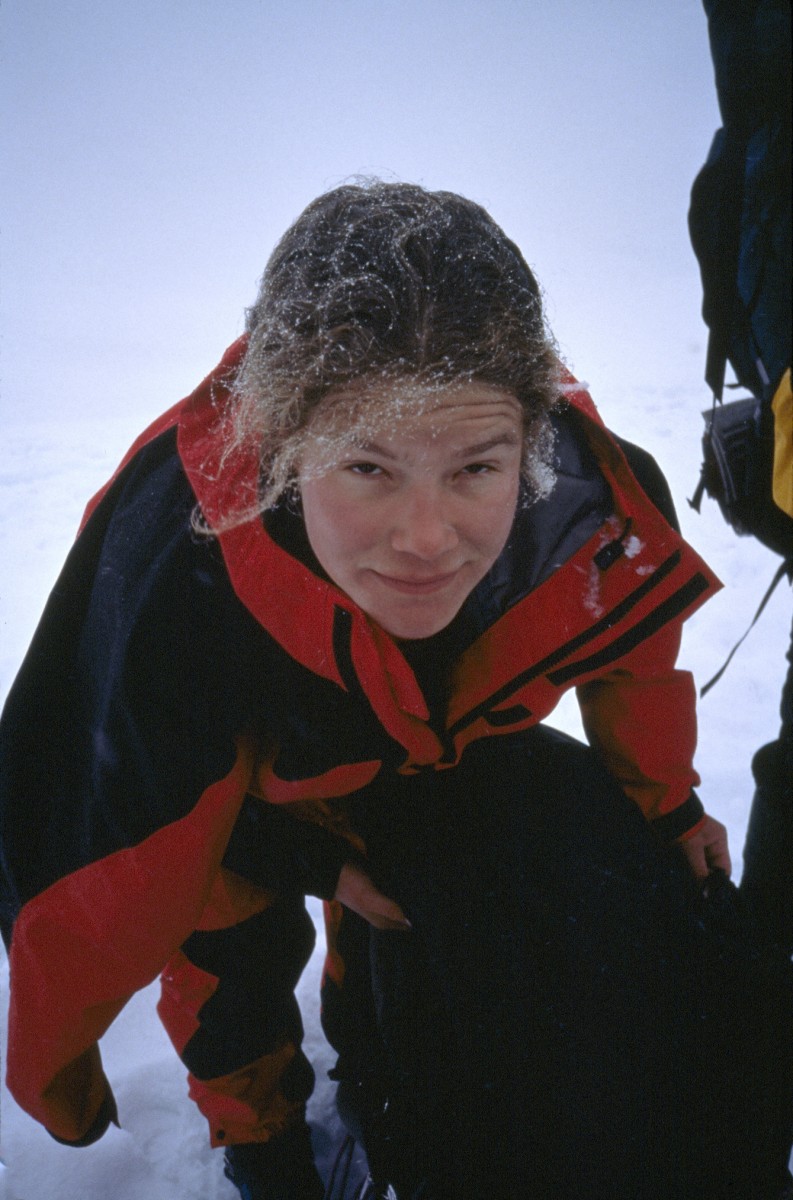 Trifecta, An Additive Adventure EntryMarch 26, 2011Majka Burhardt Ice Climbing, 1996 season, age 20. Ready for a season switch? In Conjunction With OutsideTV.com and Osprey Packs It’s spring. It’s time to emerge from winter. It’s time, for me, to stop wearing long underwear. This is hard, because I have been wearing...
 -
 Joining The Return, Announcing Imagine Ethiopia 2011February 11, 2011Three years ago I received an email with a simple question at its core: could I envision a trip to Ethiopia whereby adventure and education combined to create new stewards of the world? I said yes. imagine1day said yes. And our...
 -
 Bring Back the Blades, An Additive Adventure EntryJanuary 28, 2011Yes, that is my shadow. I have yet to recruit a professional photographer to shoot my blading. In Conjunction With OutsideTV.com and Osprey Packs It’s January 28th. My new skis are tuned and fat. In Colorado today, like most days of the winter, the sun...
 -
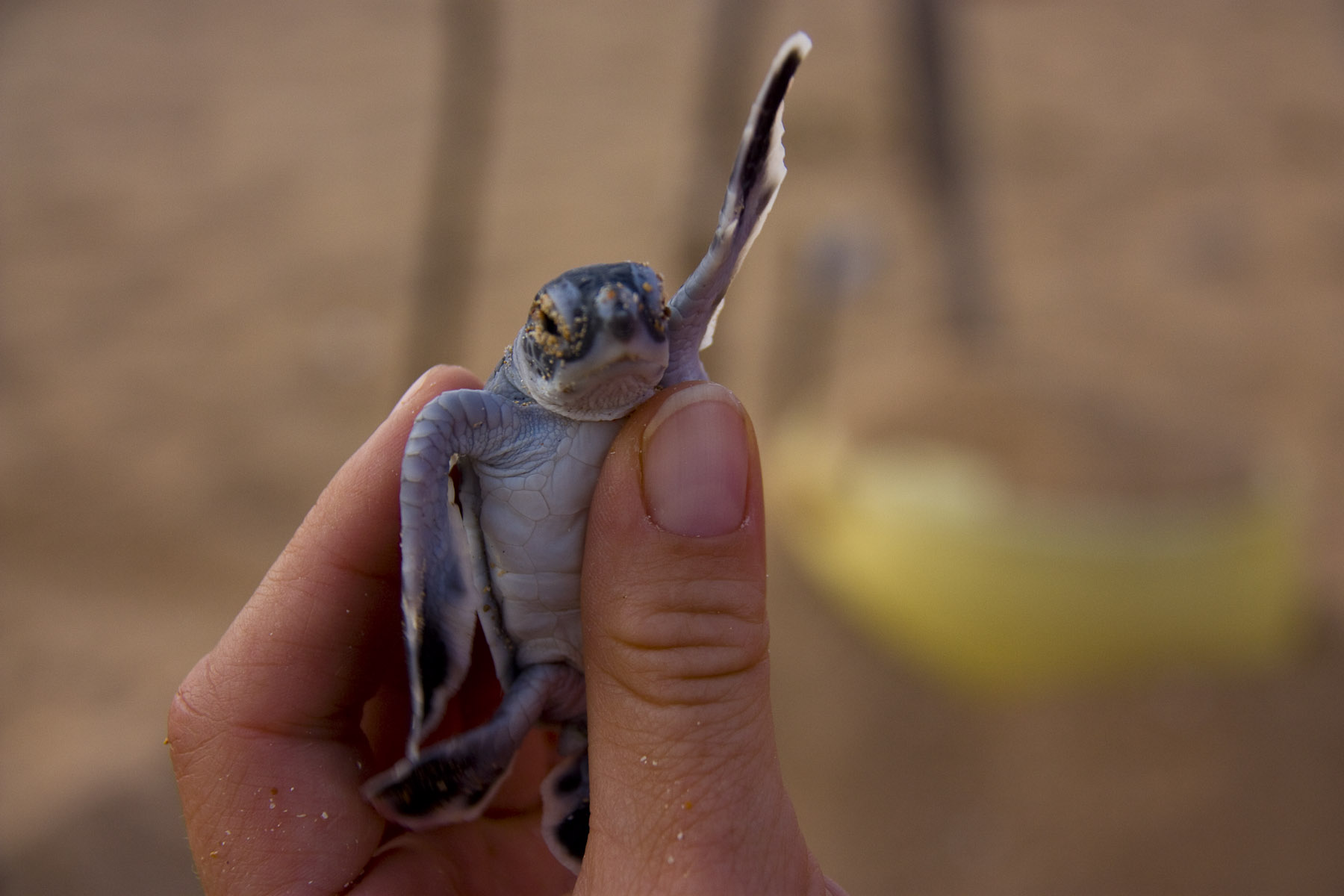 Osito And A Frog Named Turtle, An Additive Adventure EntryJanuary 15, 2011Baby Turtle, Phase 1. Photo By Peter Doucette In Conjunction With OutsideTV.com and Osprey Packs Osito is a poodle, which may explain why he’s never been an animal person. I’ve tried to convince him otherwise over the past ten and a half years. We’ve gone...
 -
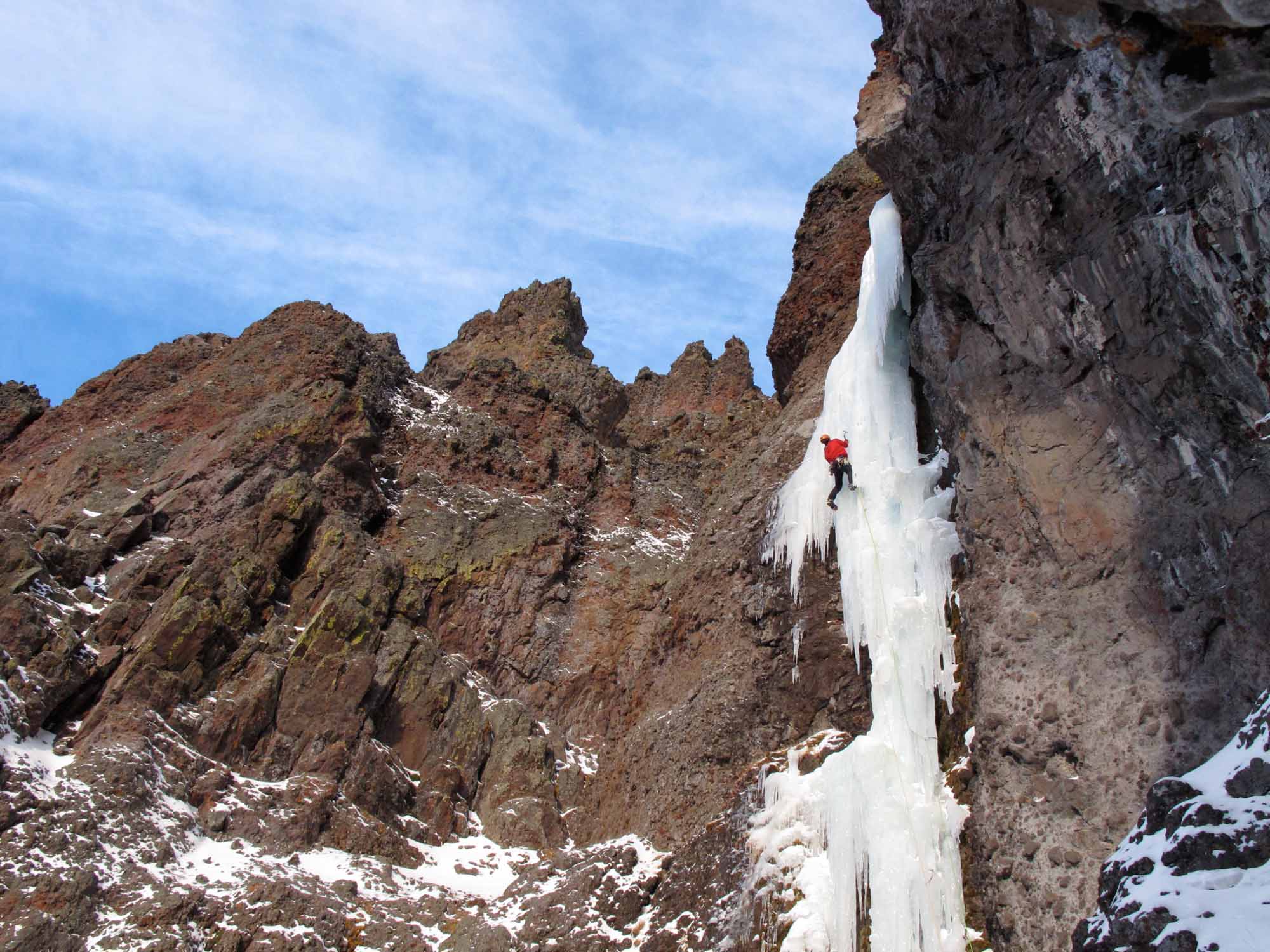 Community On Ice, An Additive Adventure EntryDecember 23, 2010Peter Doucette on Mummy IV In Conjunction With OutsideTV.com and Osprey Packs Two weeks ago I was in Minneapolis—the city where I grew up—for a showing of Chris Alstrin’s and my movie Waypoint Namibia. Afterwards, a man from the audience asked me what I did in...
 -
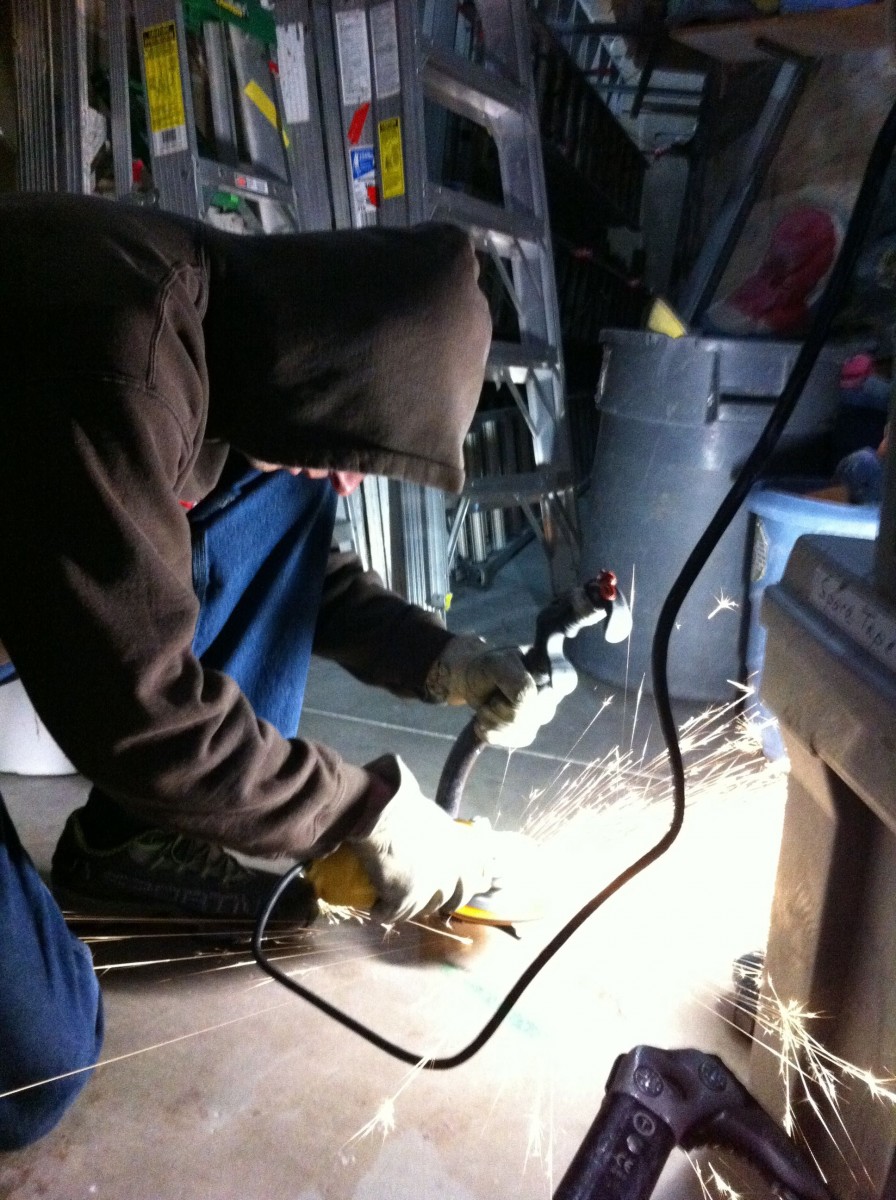 The Big Switch, An Additive Adventure EntryNovember 26, 2010Filing picks down for dry-tooling in the Boulder Rock Club: Ice Climbing Prep 2010. In Conjunction With OutsideTV.com and Osprey Packs It’s November 26th. It’s 5 degrees in the mountains. It’s time to go ice climbing. To be fair, it’s been like this for a...
 -
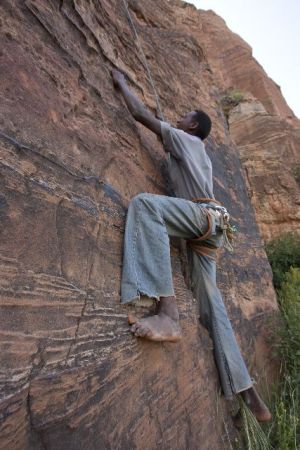 Robbery Friendships, An Additive Adventure EntryNovember 5, 2010Haile, Photo By Peter Doucette In Conjunction With OutsideTV.com and Osprey Packs This is Haile. In 2006, I put Haile, and thirteen of his closest friends, in jail. In Ethiopian jail, to be precise. I’d like to say it wasn’t my fault, but then again,...
 -
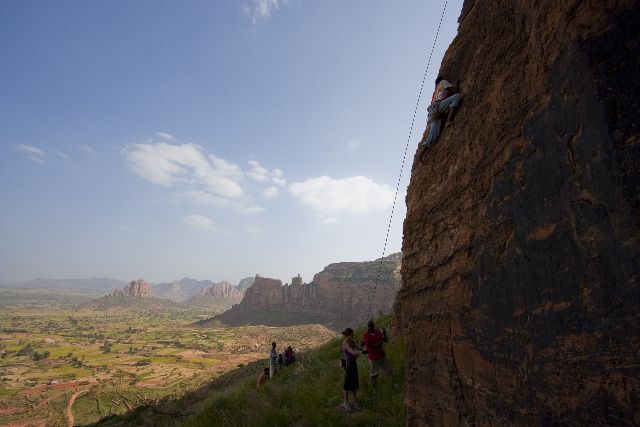 The End of the Beginning, An Additive Adventure EntryOctober 22, 2010Mango Tree Planting at Laelay Wukro School Grounds In Conjunction With OutsideTV.com and Osprey Packs The bowels of the Addis Ababa airport are laced with sweet, thick exhaust. Five minutes ago–forty-five minutes before my departure back to the United States–a man in a sharp-creased navy...
 -
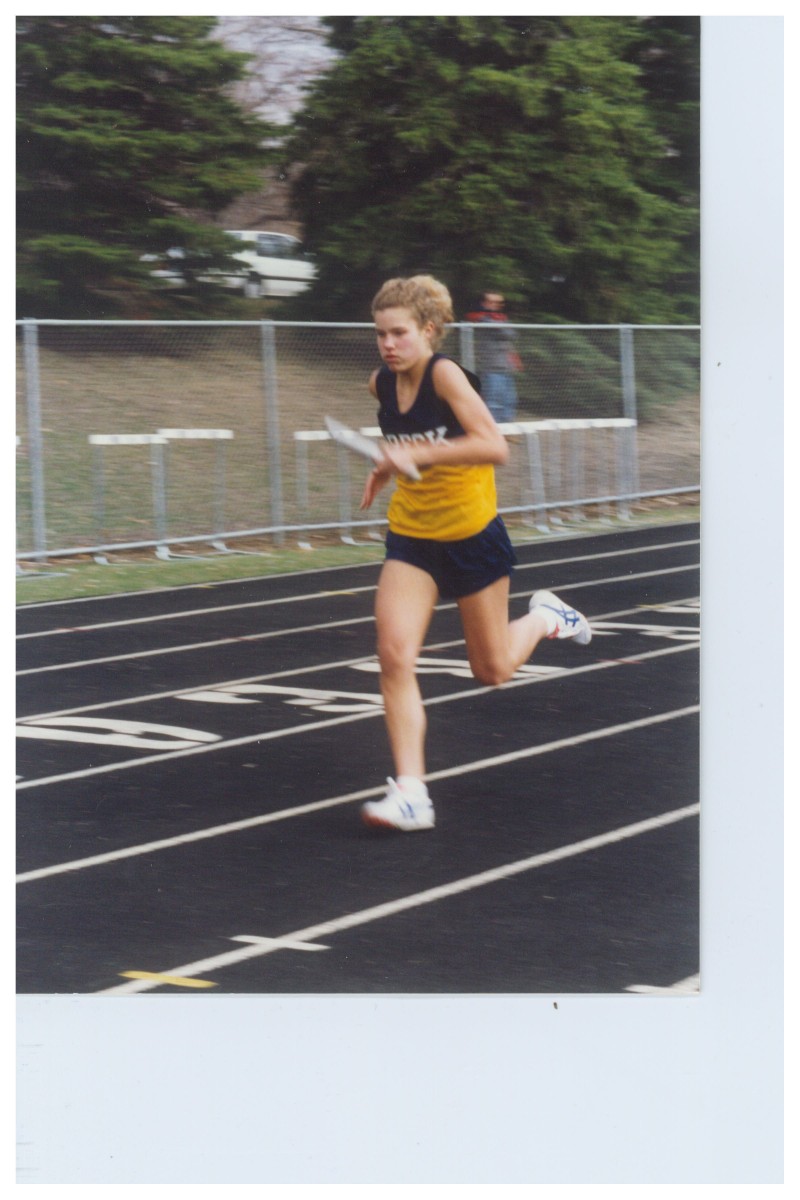 Running With Haile, An Additive Adventure EntrySeptember 10, 2010Haile Gebreselassie In Conjunction With OutsideTV.com This is how it happens. One person has the idea to run 13,286 kilometers—the distance from Vancouver B.C. to Mekelle, Ethiopia—to raise money to build a school in rural Ethiopia. It’s hard for one person to run...
 -
 The Rebirth of Slick, An Additive Adventure EntryAugust 27, 2010In Conjunction With OutsideTV.com Three weeks from today, I’ll be flying to Ethiopia. I’ve been training for trip. I’ve been aqua jogging. Actually, I just had to stop aqua jogging. I was over-training with the 12”-wide water-flotation device. In my defense, I was...
 -
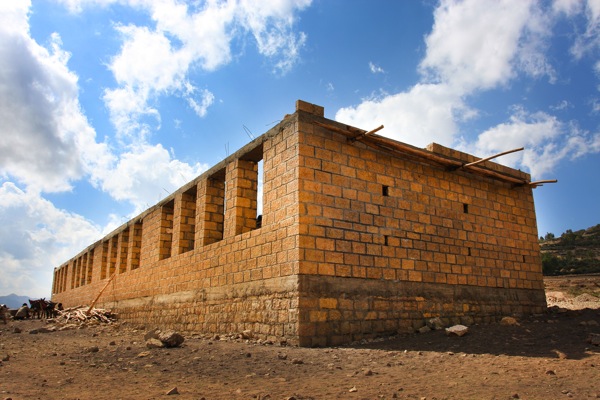 The Ballad You Forgot, An Additive Adventure EntryAugust 12, 2010A blog in conjunction with Osprey Packs and Outside Television. Let’s get this out of the way. I was 8. I made bad choices like singing Don’t Fence Me In at my father’s second wedding and lying down on the carpet in the school loft;...
 -
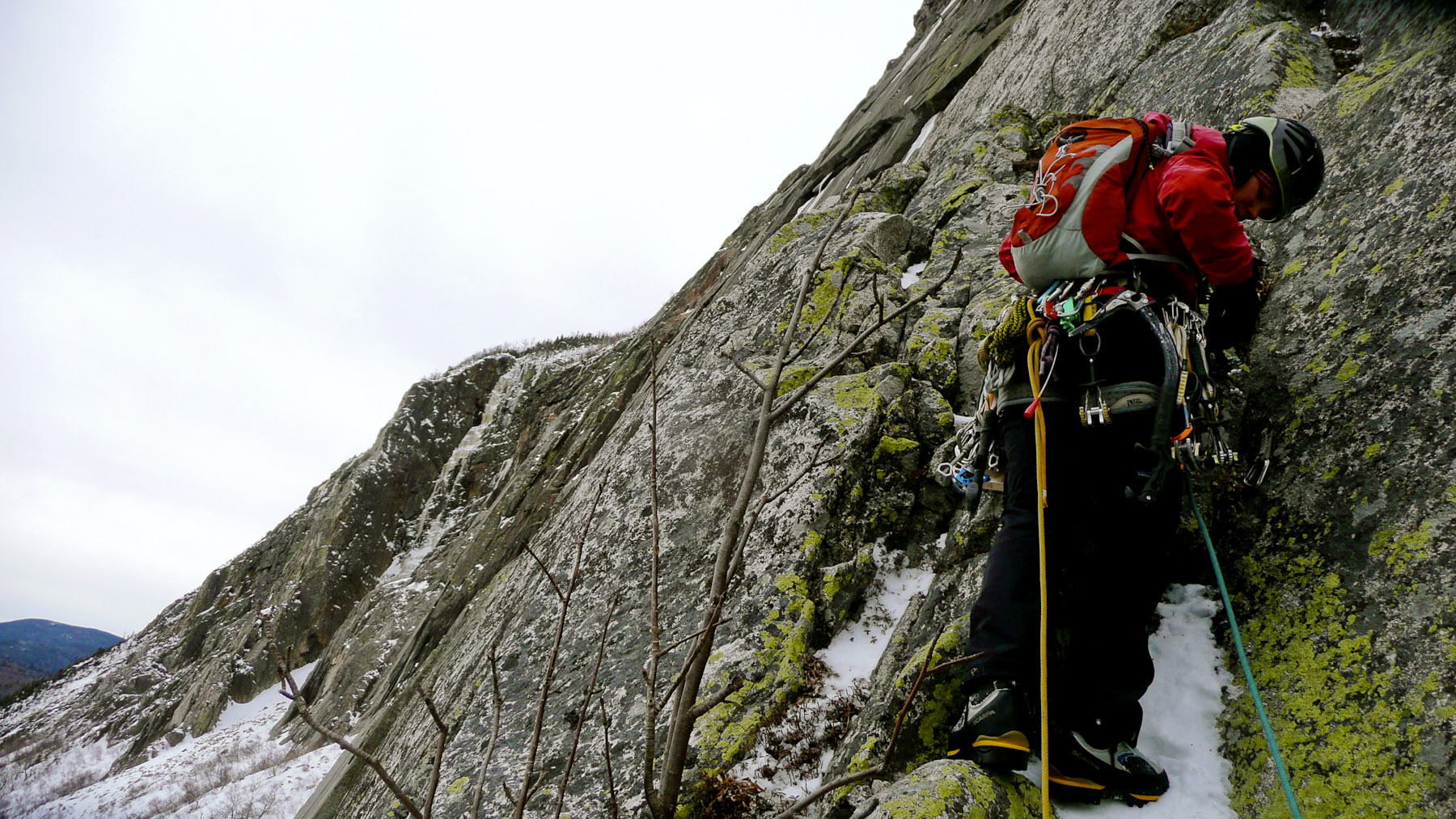 Getting it AnywayApril 26, 2010Majka Burhardt in Action, photo by Peter Doucette A Blog in Conjunction with Osprey Packs. Check out their site and great stuff atospreypacks.com. Climbers can, as a rule, break rules. We expand our youth, our shoulder stamina, and, most commonly, our seasons....
 -
 Transitions in ParadoxDecember 20, 2009Where I started: Jima Airport, SW Ethiopia Three weeks ago I flew from southwestern Ethiopia to central Montana, in six flights. When I arrived at the Bozeman airport, at 11:45 pm. I’d been traveling for thirty-eight hours. It was -5 degrees...
 -
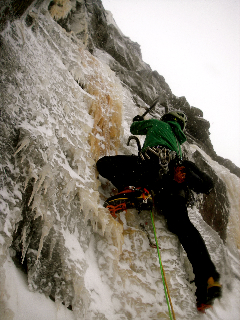 Whispering Into A RoarSeptember 26, 2009Majka Burhardt on Omega, Cannon Cliff, NH. Photo by Peter Doucette In conjunction with Climbing Magazine and climbing.com. Read online HERE. This is a story without a conclusion. Maybe that will change by the end. At this point, I’m not betting on it. Four...
 -
 Screaming Uncle at a WhisperAugust 18, 2009Photo by Peter Doucette A joint blog with Climbing.com Sunday, August 16th was Craig Luebben’s funeral. Four weeks ago, Craig was the last person I saw at a memorial. We had a long conversation about risks, coming home, what makes it worth it,...
 -
 Calling Shotgun From the Other Side of the SeaJuly 17, 2009Van Life with Osito My dog Osito’s breath smells like a combination of dead chipmunk and poop—even though I know he has had neither in the past three days. I’ve been watching him non-stop. It’s how I make up for being...
 -
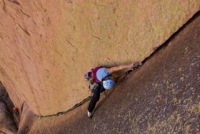 Waypoint Namibia: Big Walls, Desert Mirages, and Perseverance in the Darmaland and Beyond. *June 9, 2009Majka Burhardt on Southern Crossing, 5.11+, V. Photo by Peter Doucette. On June 1st, Peter Doucette, Kate Rutherford and I completed Southern Crossing: a 1300-foot 5.11+, grade 5 rock climbing first ascent on the Brandberg, Namibia’s highest peak. But that’s only...
 -
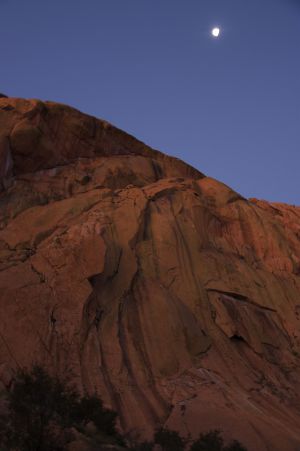 First Ascents, Returns, and Expectations. Namibia 7June 5, 2009Southern Crossing, 5.11+, V, Brandberg, Namibia. Photo by Peter Doucette. “Was Namibia everything you expected it to be?” my friend Kyle asked me this morning. I’d been home for eighteen hours and had almost driven the wrong way on the road, twice....
 -
 Rick Dees' Top 40, All The Way To The Granite. Namibia 4.May 5, 2009Antananarivo, Noola, Luanda…or Windhoek? I’ve been in Windhoek, Namibia’s capital, for 48 hours—just now longer than it took to get here. Departing Johannesburg, I had the chance to go to Gaborone, Antananarivo, Noola, Luanda. Bulawayo, Lusaka, Doha… I came here—at least...
 -
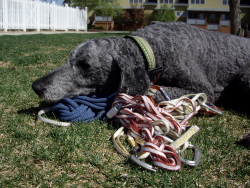 To Do: Go To Namibia. Namibia 3.May 1, 2009Petzl Attaches, Lockers, Spirits, Fin Anneau Slings, and Poodle. 4/5 of which will be going to Namib Courtesty of Petzl: Check out their new Website. I’m five days out from a five-week expedition. I have eight lists. On a one-to-one completion rate, the odds...
 -
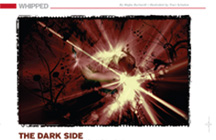 The Dark Side: Whipped InstallmentDecember 8, 2008THE DARK SIDE: WELCOME TO THE MAD PURSUIT OF NIGHT CLIMBING (Part of an on-going series on my blog of posts from my column Whipped, for Climbing Magazine. February, 2007 Installment) Download PDF Four hundred feet up Eldorado Springs Canyon’s Yellow Spur, pigeon shit...
 -
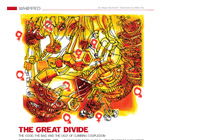 The Great Divide: Whipped InstallmentOctober 27, 2008THE GREAT DIVIDE: THE GOOD, THE BAD, and THE UGLY OF CLIMBING COUPLEDOM (Part of an on-going series on my blog of posts from my column Whipped, for Climbing Magazine. December, 2006 Installment.) Download PDF I just want a boyfriend who climbs … I...
 -
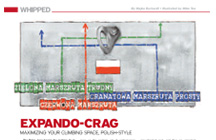 Expando-Crag: Whipped InsallmentSeptember 23, 2008EXPANDO-CRAG: MAXIMIZING YOUR CLIMBING SPACE, POLISH-STYLE (Part of an on-going series on my blog of posts from my column Whipped, for Climbing Magazine. September, 2006 Installment.) Download PDF The Poles, long known for making do in the face of social, political, and economic hardship,...
 -
 A Saab Story: Whipped InstallmentAugust 31, 2008A Saab Story: Of Mice and Karma (Part of an on-going series on my blog of posts from my column Whipped, for Climbing Magazine. July, 2006 Installment.) View Online | Download PDF The longest road trip I’ve ever taken was in a two-door 1983 blue...
 -
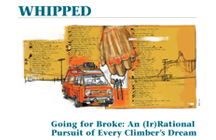 Going for Broke: Whipped InstallmentJuly 17, 2008Going for Broke: An (Ir)Rational Pursuit of Every Climber’s Dream (Part of an on-going series on my blog of posts from my column Whipped, for Climbing Magazine. Januray, 2005 Installment) View Online | Download PDF It’s 7:30 a.m. and you’re at the parking lot of...
 -
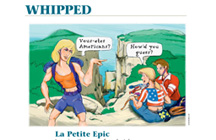 La Petite Epic: Whipped InstallmentJune 30, 2008La Petite Epic: Learning the Ropes, French Style (Part of an on-going series on my blog of posts from my column Whipped, for Climbing Magazine. October, 2004 Installment) View Online | Download PDF It all began with an overhanging limestone pocket at Wild Iris....
 -
But What if There are Two Million Germs?June 23, 2008I’m traveling again. Back on planes, pilfering free internet from sidewalk coffee shops, and cutting the top off my travel face moisturizer to eek out the last of the goodness. After eighteen nights in my own bed it’s time to...
-
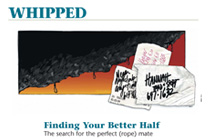 Finding Your Better Half: Whipped InstallmentJune 17, 2008This week I am going to start doing something different and introduce back installments of my column Whipped. I hope to alternate between column installments and other comments. View Online | Download PDF Finding Your Better Half : The search for the perfect (rope)...
 -
Available at an Ethiopian Bookstore Near You—Vertical Ethiopia, and a Porsche.May 31, 2008I got an email from a friend last week who lives in Addis Ababa. “Saw your book at the Hilton,” she wrote, “next to Time magazine’s Africa Edition. Does this mean you’ve finally arrived?” Nope. But my book has. After almost three...
-
Nobody told me when I would need the Marshmallow ShooterMay 2, 2008When I was in sixth grade, I thought being an adult meant you were done. Done with anything tough or complex in friendship, life, love—any of it. My best friend had recently been stolen by an evil girl, the boy...